


Massage for Muscle Knots: Deep Tissue Massage for Knots and Muscle Tension

Muscle knots can sneak up on you when you least expect it. They create that stubborn tension that just won’t go away, making everyday movements uncomfortable. I’ve found that deep tissue massage offers a powerful way to ease these tight spots and bring relief. Let’s explore how this technique works and why it might be the perfect solution for your muscle tension.
Understanding Muscle Knots and Their Impact
Muscle knots, also known as trigger points, are tight bands of muscle fibers that feel like small lumps under the skin. They often develop from stress, poor posture, repetitive movements, or injury. When these knots form, they restrict blood flow and cause pain, stiffness, and discomfort.
Imagine sitting at a desk all day with your shoulders hunched forward. Over time, the muscles in your neck and upper back tighten and form knots. These knots can cause headaches, limited range of motion, and a constant dull ache. It’s not just annoying—it can affect your quality of life.
Muscle knots don’t just stay in one place. They can refer pain to other areas, making it tricky to pinpoint the source. That’s why addressing them directly is so important.
Why Massage for Muscle Knots Works
Massage therapy targets muscle knots by applying pressure and movement to the affected areas. This helps to:
Increase blood flow: Bringing fresh oxygen and nutrients to the muscle.
Break down adhesions: Loosening the tight bands of muscle fibers.
Reduce inflammation: Calming irritated tissues.
Promote relaxation: Easing overall muscle tension and stress.
Among various massage techniques, deep tissue massage stands out for its ability to reach deeper layers of muscle and connective tissue. It’s especially effective for chronic muscle tension and stubborn knots.
When you receive a massage for muscle knots, the therapist uses slow, firm strokes and focused pressure. This approach helps to release the tension and restore normal muscle function. You might feel some discomfort during the session, but it’s a sign that the knots are being worked on.

Can Massage Break Up Knots?
Yes, massage can break up knots, but it takes time and consistency. Muscle knots are like hardened glue holding muscle fibers together. Massage helps to soften and separate these fibers, allowing the muscle to relax.
Here’s how massage breaks up knots:
Mechanical pressure: The therapist’s hands apply direct pressure to the knot, physically loosening the tight fibers.
Heat generation: Friction from massage increases local temperature, which helps muscles become more pliable.
Improved circulation: Enhanced blood flow flushes out toxins and brings healing nutrients.
Neurological effects: Massage stimulates nerve endings, which can reduce pain signals and promote relaxation.
It’s important to remember that knots don’t disappear overnight. Regular sessions, combined with self-care like stretching and hydration, provide the best results.
What to Expect During a Deep Tissue Massage Session
If you’re new to deep tissue massage, it’s helpful to know what to expect. The therapist will start by discussing your specific areas of tension and any health concerns. This ensures the session is tailored to your needs.
During the massage:
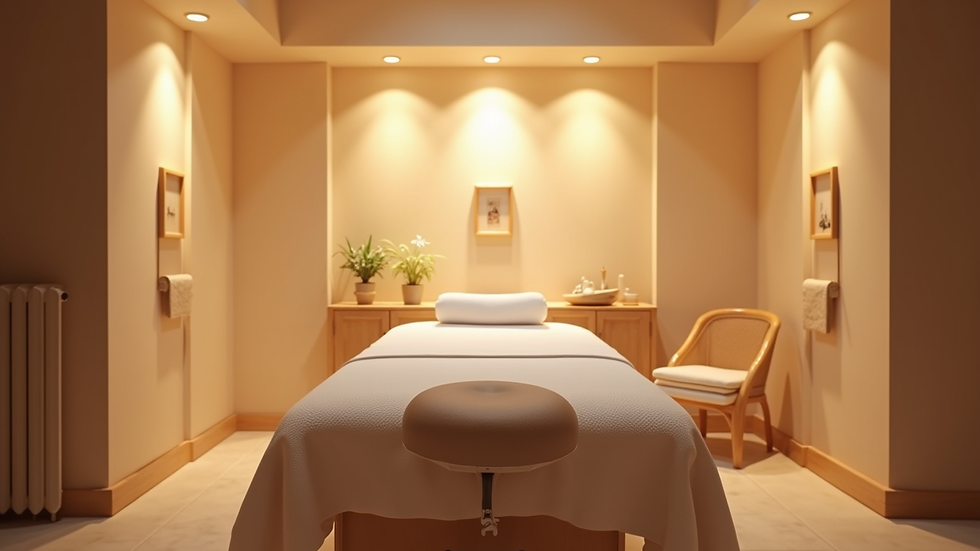
You’ll lie comfortably on a massage table, usually draped with a sheet.
The therapist uses slow, deliberate strokes with firm pressure.
They may use their fingers, thumbs, elbows, or forearms to reach deeper layers.
You might feel some discomfort or mild soreness, but it should never be painful.
Communication is key—let your therapist know if the pressure is too much or too little.
After the session, you may feel some tenderness or fatigue in the treated muscles. This is normal and usually subsides within a day or two. Drinking plenty of water helps flush out toxins released during the massage.
How to Enhance the Benefits of Deep Tissue Massage
To get the most out of your deep tissue massage for knots, consider these tips:
Stay hydrated: Water helps your muscles recover and flushes out metabolic waste.
Stretch gently: Light stretching before and after massage keeps muscles flexible.
Apply heat or cold: Use a warm compress to relax muscles or ice packs to reduce inflammation.
Maintain good posture: Avoid habits that contribute to muscle tension.
Schedule regular sessions: Consistency helps prevent knots from returning.
Practice stress management: Techniques like meditation or deep breathing reduce overall muscle tightness.
By combining massage with these practices, you create a holistic approach to muscle health and wellness.
Embracing Personalized Care for Lasting Relief
Every body is unique, and so is every muscle knot. That’s why personalized care is essential. A skilled massage therapist will assess your specific tension patterns and customize the treatment accordingly.
Whether you prefer in-clinic sessions or the comfort of house calls, expert massage therapy can fit your lifestyle. Some workplaces even offer corporate massage services to help employees stay relaxed and productive.
If you’re ready to experience the soothing power of deep tissue massage for knots, reach out to a trusted provider who understands your needs. With expert hands and compassionate care, you can find relief and restore your body’s natural balance.
Taking the step toward massage therapy is a gift to yourself. It’s a gentle invitation to release tension, reduce pain, and nurture your well-being. Your muscles will thank you.


Comments